How Can Chiropractic Care Help Posture
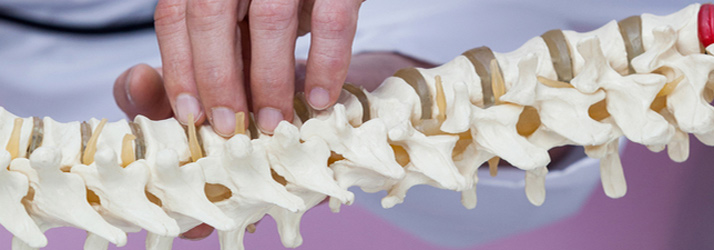
Posture questions are often really questions about a task: how to get through desk work, drive comfortably or lift something without aggravating symptoms. At Source Chiropractic, those are useful questions to bring to an appointment. This guide focuses on describing the task and adjusting your surroundings before assuming that a photograph of your posture explains a health problem.
Look at the work setup as well as the person
For computer work, start with the screen, keyboard, chair and the things you reach for repeatedly. OSHA's workstation checklist recommends a monitor positioned so that you do not need to keep turning your head, supported feet and equipment that allows changes of position. It also encourages breaks from repetitive tasks. Use its workstation evaluation checklist to review your own setup.
Try recording which task becomes uncomfortable, how long you have been doing it and what happens when you change position. The aim is to identify practical adjustments to discuss, rather than hold one rigid pose all day. MedlinePlus recommends changing sitting positions, taking brief walking breaks and arranging work surfaces at a comfortable height in its guide to posture.
Separate posture observations from a diagnosis
Bring a description of pain or limited movement along with the posture concern. Note whether symptoms stay in the neck or back or travel into an arm or leg. Existing imaging and previous treatment may also be relevant. An observation about how you sit is not, by itself, an explanation of every symptom or a treatment plan.
For back pain, assessment includes the history, activities that affect symptoms and a physical examination. Tests are selected when the findings justify them; most people do not need imaging at the first visit. NIAMS back-pain guidance describes this process. Ask what the clinician thinks the findings mean and what remains uncertain.
Breathing difficulty or persistent digestive symptoms should be assessed through appropriate medical care, rather than attributed to spinal alignment. Call 911 for severe breathing difficulty or chest pain; do not delay emergency help while seeking posture advice. MedlinePlus explains when breathing difficulty is an emergency.
What to ask about treatment
If a care plan is proposed, ask which symptom or activity it is intended to improve, what you can do yourself and how progress will be reviewed. Ask about exercise or physical therapy, workplace changes and other options that fit the findings. NICE recommends manual therapy for low back pain only within a package that includes exercise. That recommendation does not establish manipulation as a way to improve organ function or prevent future illness. NICE guideline NG59 gives the clinical context.
Discuss risks and alternatives before manual treatment; it is not risk-free. Our guide to deciding about chiropractic care covers informed choices. Ongoing appointments should have a clear purpose and a review point rather than be assumed necessary because of a posture observation.
For symptoms affecting a particular area, read our neck-pain or back-pain guide. To arrange a conversation with the office, see new-patient information or contact us.
Explore the neck and upper back for related guides and research.
Follow the evidence
Research, with context.
Published sources behind the discussion. Read the findings alongside the limits; a study is not a diagnosis or a promise of a result.
Workplace interventions for reducing sitting at work
34 studies involving 3,397 workers in the June 2018 review.
What it foundLow-quality evidence suggested sit–stand desks reduced sitting time in the short and medium term. Results for several other workplace interventions were uncertain.
What it cannot tell usThe review measured sitting time, which is not the same as preventing back pain. There was no evidence on effects beyond one year in this edition, and a later update is linked by the publisher.
Publication details & citation
Shrestha et al. Workplace interventions for reducing sitting at work. Cochrane Database of Systematic Reviews. 2018. DOI: 10.1002/14651858.CD010912.pub4.
Read the publication recordSpinal manipulation, medication, or home exercise with advice for acute and subacute neck pain: a randomized trial
272 adults with nonspecific neck pain lasting 2–12 weeks.
What it foundManipulation performed better than medication at several follow-ups, but there was no important pain difference between manipulation and home exercise with advice.
What it cannot tell usTreatment was unblinded. The study does not cover every cause of neck pain, traumatic instability or an unexplained neurological problem.
Publication details & citation
Bronfort et al. Spinal manipulation, medication, or home exercise with advice for acute and subacute neck pain: a randomized trial. Annals of Internal Medicine. 2012. DOI: 10.7326/0003-4819-156-1-201201030-00002.
Read the publication record
Read our editorial policy for how sources and clinical review are identified.