Updated
Spinal decompression at Source Chiropractic is a non-surgical, table-based traction therapy. It applies a controlled pulling force, with the intent of reducing load on a spinal segment. A disc finding may prompt a discussion of this option, but it does not by itself establish that traction will help.
How the therapy works
During a session, the table alternates periods of pulling force and relaxation. That describes the procedure, not proof that it heals a disc or restores its nutrient supply. Non-surgical traction is different from spinal decompression surgery.
Before agreeing to care, ask about the proposed number and frequency of visits, total cost, alternatives and when progress will be reassessed. A package of sessions does not itself establish that the therapy is appropriate or effective for your symptoms.
What it is used for
Our practice considers spinal decompression for appropriate disc-related musculoskeletal findings, which may include:
- Herniated discs
- Bulging discs
- Degenerative disc disease
- Sciatica
- Pinched nerve
Protocols are applied to the cervical spine as well as the lumbar, so the discussion can include neck pain. These are reasons to assess suitability, not a list of conditions for which a benefit is guaranteed.
A non-surgical option
The evidence deserves a clear discussion. The UK's NICE guideline recommends against traction for low back pain with or without sciatica. It recommends considering manual therapy only within care that includes exercise. This is a clinical guideline, not a US prohibition, but it is a reason not to present decompression as an established solution for everyone with a disc finding. Read the NICE recommendations.
Alternatives may include guided exercise, physical therapy and medical assessment for symptom management or specialist care. Their suitability depends on the diagnosis, symptoms and your preferences. Ask what improvement would justify continuing any proposed course, when it will be reassessed and what happens if it is not helping. We do not promise disc healing or avoidance of surgery.
Safety and symptoms that need urgent care
Non-surgical does not mean suitable for everyone. Traction studies have reported increased pain and worsening neurological symptoms; reporting was incomplete and does not establish an exact risk for this practice's protocol. Read the Cochrane traction review's adverse-effects findings. Tell the clinician about new symptoms, previous surgery, injuries and medical conditions before treatment, and report worsening pain, numbness or weakness. Discuss risks and alternatives for the specific procedure before deciding.
Go to an emergency department immediately for new difficulty passing urine or loss of bladder or bowel control, numbness around the genitals or anus, or severe or worsening weakness or numbness in both legs. Do not wait for decompression or a routine appointment. These can signal a serious spinal problem. See NHS sciatica emergency guidance.
If we are not able to help you with your problem or are unable to reduce your pain levels, we will make sure to give you a recommendation to another experienced provider.
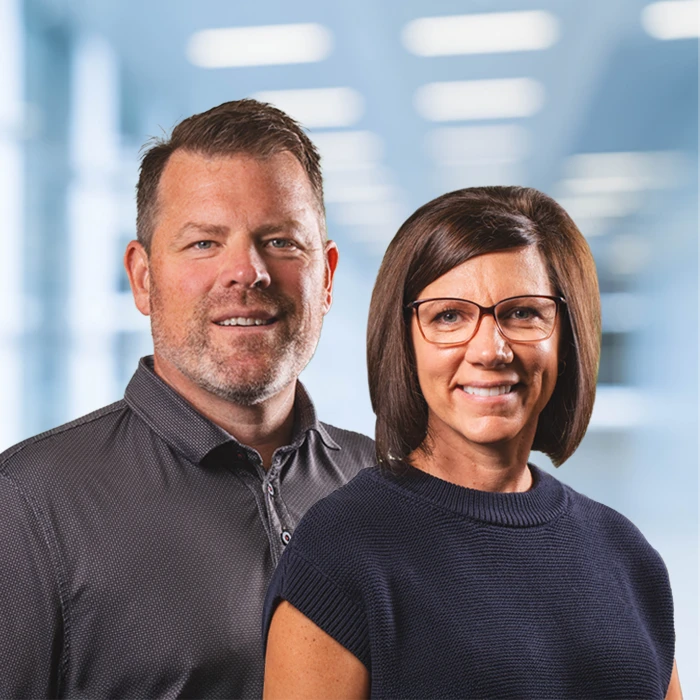
Care at Source Chiropractic is delivered by Dr. Jeff Morrey, D.C. and Dr. Cindy Morrey, D.C.
To find out whether spinal decompression fits your situation, call (931) 591-3740 and ask for an examination.
Follow the evidence
Research, with context.
Published sources behind the discussion. Read the findings alongside the limits; a study is not a diagnosis or a promise of a result.
No effect of traction in patients with low back pain: a single centre, single blind, randomized controlled trial of Intervertebral Differential Dynamics Therapy
60 people with chronic low-back pain and disc degeneration or bulging, without radicular pain, receiving graded activity plus active or sham traction.
What it foundActive traction did not add benefit for pain, disability or quality of life at 14 weeks compared with sham treatment.
What it cannot tell usThe result concerns the studied protocol and population. It does not test every machine or acute sciatica, and it does not support claims of disc regeneration.
Publication details & citation
Schimmel et al. No effect of traction in patients with low back pain: a single centre, single blind, randomized controlled trial of Intervertebral Differential Dynamics Therapy. European Spine Journal. 2009. DOI: 10.1007/s00586-009-1044-3.
Read the publication record
Read our editorial policy for how sources and clinical review are identified.