People Are Sitting Too Much in Clarksville TN
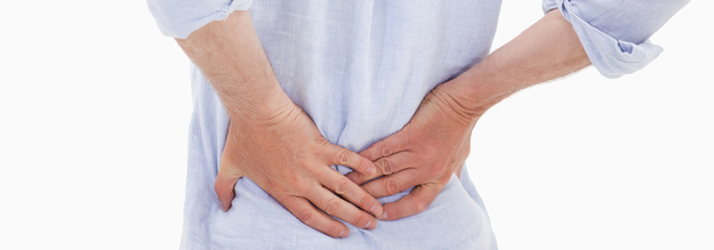
A workday at a computer can make movement difficult to fit in. The useful starting point is to look at the work setup, opportunities to change tasks and symptoms that need assessment. You do not need a treadmill desk or an app to begin that conversation.
Look for a setup that fits you
OSHA's computer-workstation guidance says there is no single correct posture or arrangement for everyone. It emphasizes adjustable equipment, comfortable reach and support: for example, placing frequently used items nearby and supporting the lower back and feet. OSHA: computer workstations.
Use the guidance as a checklist, not a reason to hold yourself rigidly in a “perfect” pose. Notice whether you repeatedly reach for the mouse, twist toward a screen or lack room for your legs. Ask whether the equipment you already have can be adjusted before deciding what to buy.
Build in changes of task and position
Long periods in a static posture can fatigue neck and shoulder muscles. OSHA suggests varying tasks and using brief recovery pauses during repetitive computer work. Examples include moving between computer and non-computer tasks or changing a seated position when the workstation allows it. OSHA: work process.
A standing desk is an option, not a requirement to stand all day. OSHA's evaluation checklist advises avoiding prolonged sitting and prolonged standing while allowing changes of posture and activity. OSHA: workstation evaluation.
Consider what is feasible with your job, mobility and access needs. A useful workplace discussion might cover task rotation, adjustable supports or movement breaks that fit the role. The aim is a workable arrangement, not blame for needing to sit.
Think beyond the desk
Physical activity has benefits for function, sleep and mental health. CDC notes that adults can gain benefits by sitting less and doing some moderate-to-vigorous activity, even below the full guideline amount. CDC: physical activity benefits.
You might ask a clinician how to fit activity around a condition or disability, or discuss a realistic starting point if symptoms make movement difficult. This is a planning conversation, not a claim that a particular break schedule will prevent back pain or that activity makes medical assessment unnecessary.
When discomfort needs assessment
If back pain persists for weeks, interrupts everyday activities or is difficult to cope with, seek an assessment. Fever or feeling unwell with back pain, or sudden severe or rapidly worsening pain, warrants urgent medical advice. Seek emergency care for back pain with new difficulty passing urine or inability to urinate, loss of bladder or bowel control, loss of feeling around the genitals or anus, new loss of sexual feeling or function, pain, weakness, tingling or numbness in both legs, chest pain or after a serious accident. NHS: back-pain assessment and warning signs.
Bring information about when symptoms begin, the tasks involved and any changes you have tried. Our back-pain guide and neck-pain guide explain related assessment questions. For a nonurgent discussion with Source Chiropractic in Clarksville, contact the office.
Follow the evidence
Research, with context.
Published sources behind the discussion. Read the findings alongside the limits; a study is not a diagnosis or a promise of a result.
Workplace interventions for reducing sitting at work
34 studies involving 3,397 workers in the June 2018 review.
What it foundLow-quality evidence suggested sit–stand desks reduced sitting time in the short and medium term. Results for several other workplace interventions were uncertain.
What it cannot tell usThe review measured sitting time, which is not the same as preventing back pain. There was no evidence on effects beyond one year in this edition, and a later update is linked by the publisher.
Publication details & citation
Shrestha et al. Workplace interventions for reducing sitting at work. Cochrane Database of Systematic Reviews. 2018. DOI: 10.1002/14651858.CD010912.pub4.
Read the publication recordWorld Health Organization 2020 guidelines on physical activity and sedentary behaviour
Recommendations for children, adolescents, adults and older adults, including people living with selected chronic conditions or disability.
What it foundThe guideline recommends regular activity, strength work and less sedentary time. For adults, the general target is 150–300 minutes of moderate activity or 75–150 minutes of vigorous activity weekly.
What it cannot tell usPopulation targets need adaptation to health, capacity and recovery. Some activity is better than none; this guideline does not test chiropractic treatment or prescribe rehabilitation for an injury.
Publication details & citation
Bull et al. World Health Organization 2020 guidelines on physical activity and sedentary behaviour. British Journal of Sports Medicine. 2020. DOI: 10.1136/bjsports-2020-102955.
Read the publication record
Read our editorial policy for how sources and clinical review are identified.