Clarksville TN Chiropractor Discusses a Healthier Spine
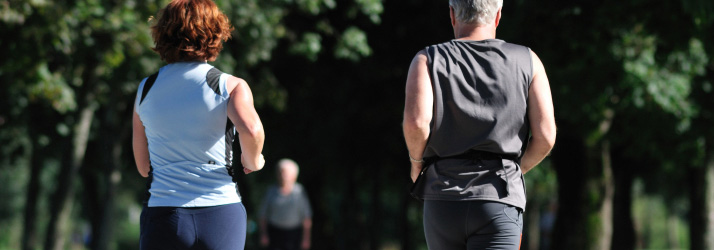
A healthier spine is a practical goal: being able to work, sleep, move and do more of the activities that matter to you. It does not require a perfectly straight back or one posture maintained all day. If pain is changing what you can do, start with the pattern and a goal that can be reviewed.
Build capacity with a manageable starting point
Walking, strength work and other forms of activity can contribute to a plan that fits your health and interests. For adults with chronic nonspecific low-back pain, a Cochrane review of 249 exercise trials found exercise probably improves pain compared with no treatment, usual care or placebo. Average improvements in function were smaller, and programs varied.
This supports an active approach; it does not identify a special exercise everyone must do. Ask how to start, how to judge tolerance and how to progress if symptoms remain manageable. A new fracture, infection or worsening nerve problem needs a different assessment.
Make everyday tasks easier to adjust
| Everyday situation | A useful question | A change to consider |
|---|---|---|
| Working at a screen | When does discomfort start? | Adjust reach and screen position; build in opportunities to change position |
| Moving a heavy object | Is the load awkward, repeated or beyond your capacity? | Divide the load, use available equipment or get help |
| A disrupted night's sleep | Is pain waking you, or is sleep difficult independently of pain? | Try a comfortable position and discuss persistent sleep difficulties separately |
| Returning to exercise | What can you do now, and what happens afterward? | Agree on a starting level and a gradual progression |
These are options to discuss and adapt, not rules that guarantee injury prevention. The OSHA workstation guide offers practical adjustments for seated work. Our guides to sitting, lifting and back injury and sleep explore those situations further.
Prevention is a probability, not a promise
A systematic review of low-back-pain prevention found that exercise with education reduced the risk of an episode. Education alone, back belts and shoe insoles did not show a preventive effect. Results differed by outcome and evidence quality.
Neither a favorable study result nor a good routine makes someone responsible for avoiding every episode of pain. Ask what a preventive recommendation is expected to achieve and whether the research actually tested it. This review does not establish that scheduled adjustments protect a healthy spine from future injury.
If pain persists, measure something meaningful
Choose an activity rather than only a pain score: walking to the shops, getting through a shift or sitting long enough for a meal. Record the current difficulty and review it at an agreed point. A treatment can feel pleasant without changing that goal; the distinction helps you decide whether to continue.
The American College of Physicians low-back-pain guideline includes several non-drug approaches. Manual treatment is one option for selected presentations, with benefits, risks and alternatives to discuss. It should not replace assessment or become a reason to continue indefinitely without useful progress.
Symptoms that need medical care
Seek emergency medical care immediately if you have:
- Loss of bladder or bowel control, or new difficulty passing urine
- A change in the sensation of passing urine, such as not feeling the flow, or losing the sense of when the bowel is full
- Numbness in the saddle area: the inner thighs, buttocks, or around the genitals
- New sexual dysfunction, including new numbness in the genitals
- New or worsening weakness in both legs
- Severe back pain with fever, or an unexplained fever with new back pain. Either alone is enough
These can indicate serious conditions, including cauda equina syndrome or spinal infection. Arrange prompt medical review for back pain after significant trauma, new or progressing weakness in one leg, spreading numbness, or pain with unexplained weight loss or a history of cancer. NHS back-pain guidance explains when to seek help.
Prepare for an assessment
Bring the symptom timeline, activities affected, previous treatments and any relevant reports. Ask what the findings suggest, what remains uncertain and how to review the proposed plan. Contact our team for a nonurgent assessment, or use the back-pain guide to prepare your questions.
Follow the evidence
Research, with context.
Published sources behind the discussion. Read the findings alongside the limits; a study is not a diagnosis or a promise of a result.
Prevention of Low Back Pain: A Systematic Review and Meta-analysis
21 randomized trials involving 30,850 participants, examining interventions to prevent low-back pain.
What it foundExercise with education reduced the risk of a low-back-pain episode. Education alone, back belts and shoe insoles did not show a preventive effect.
What it cannot tell usEvidence quality differed by intervention and outcome, and the search ended in 2014. This does not mean every injury is preventable or establish a preventive benefit from routine adjustments.
Publication details & citation
Steffens et al. Prevention of Low Back Pain: A Systematic Review and Meta-analysis. JAMA Internal Medicine. 2016. DOI: 10.1001/jamainternmed.2015.7431.
Read the publication recordExercise therapy for chronic low back pain
249 trials of exercise therapy in adults with chronic nonspecific low-back pain.
What it foundExercise probably improves pain compared with no treatment, usual care or placebo. Average improvements in function were smaller.
What it cannot tell usPrograms and comparison treatments varied. This does not identify one best exercise for everyone or apply to a new fracture, infection or progressive neurological problem.
Publication details & citation
Hayden et al. Exercise therapy for chronic low back pain. Cochrane Database of Systematic Reviews. 2021. DOI: 10.1002/14651858.CD009790.pub2.
Read the publication record
Read our editorial policy for how sources and clinical review are identified.